
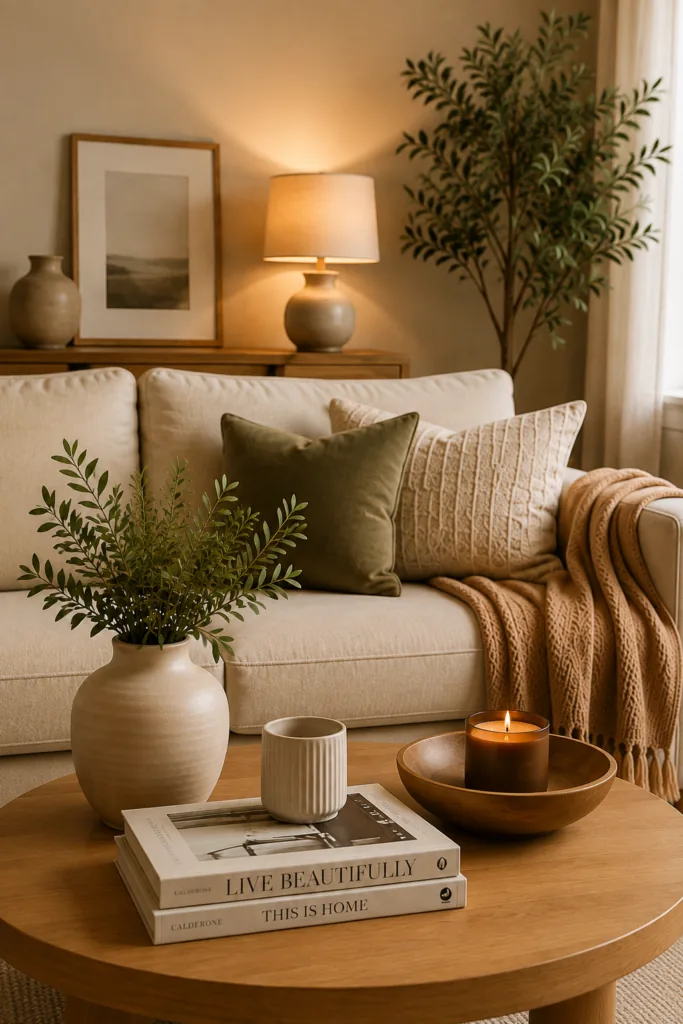
Larmine Living Room
Create a living room that feels beautifully lived in
Expert guidance for furniture scale, comfortable layouts, layered lighting, practical storage, and a warm, collected finish.
The best living rooms support conversation, rest, entertainment, and everyday movement without feeling crowded. Begin with the room’s dimensions and routines, then choose fewer pieces that fit well and work together.
Which home-care tool do you actually need?
Vacuuming, floor washing and air filtration solve different problems. Choose the task first, then compare the exact models and limitations.
Dry debris and everyday vacuuming
Shark IY143H vs. PowerPro Plus IZ377H
Check floorhead design, included tools and runtime conditions.
Compare cordless vacuumsWashing compatible floors
BISSELL CrossWave Turbo vs. Roborock F25 BX
Compare corded multi-surface cleaning with cordless hard-floor washing.
Compare wet-dry floor cleanersSteam on approved surfaces
BISSELL PowerFresh 1940A vs. Shark S8201
Check your flooring manufacturer’s instructions first. Steam is not suitable for every floor.
Compare steam mopsFiltering airborne particles
Levoit Core 300S-P vs. Vital 200S-P
Compare room-size fit, airflow, filter care and placement needs.
Compare air purifiersThe guides contain affiliate links. These are documentation-based comparisons, not hands-on tests. Follow the exact product and surface-care instructions before buying or using equipment.
Featured planning resource
Start with the right rug size
Use the room dimensions and furniture arrangement to compare practical rug sizes before you shop.
Guide & Calculator
Living Room Rug Size Guide & Calculator
Test common layouts, understand front-leg and all-legs-on placement, and compare standard rug dimensions.
Plan your living room rug sizeFloor compatibility guide
Rug Pads for Hardwood Floors
Compare natural rubber, felt, combination pads, and thickness before placing an area rug on finished wood.
Compare rug pad materialsFeatured planning guides
Living Room Layout Essentials
Map walkways, conversation distance, television placement, windows, doors, and focal points before buying large furniture.
How to Choose a Sofa
Compare dimensions, seat depth, frame information, upholstery, cushion construction, delivery access, and care needs.
Layered Living Room Lighting
Combine ambient, task, and accent light to support reading, conversation, artwork, and a relaxed evening atmosphere.
Plan circulation and conversation first
Measure the usable floor area and note every door swing, vent, outlet, radiator, and natural walkway. Arrange primary seating so people can speak comfortably without shouting across the room. In an open plan, a rug and the back of a sofa can define the living zone while maintaining clear circulation. Use the living room rug size guide and calculator to shortlist a practical rug footprint before ordering.
A coffee table should relate to the seating without blocking movement. Side tables need to be reachable from the seat they serve. Test the plan with painter’s tape before committing to large purchases.
Choose furniture by proportion and use
A sofa that looks elegant online may be too deep for upright sitting or too wide for the delivery route. Record overall width, depth, height, seat height, seat depth, arm width, and diagonal depth. Consider removable covers, fabric durability, cushion maintenance, and whether replacement components are available.
For recurring small spills on compatible upholstery, compare BISSELL Little Green and Shark StainStriker by fabric suitability, formula setup, cord length, and cleanup before choosing a spot cleaner.
Balance visual weight across the room. One substantial sofa can pair well with lighter chairs, open-leg tables, and slim lighting rather than several equally heavy pieces.
Build a warm lighting plan
Use a ceiling fixture or architectural light for general illumination, lamps near seating for tasks, and accent lighting to give shelves, art, or texture more depth. Matching every lamp is unnecessary; consistent finish, scale, or shade color can create cohesion.
Decorate in layers
Start with the largest elements and add texture gradually through a rug, curtains, pillows, throws, books, plants, and meaningful objects. Leave some surfaces quiet. Negative space lets well-chosen pieces feel more intentional and makes the room easier to maintain.
Continue exploring
Browse all Larmine Guides, plan a restful Bedroom, or explore practical projects in Home Improvement.